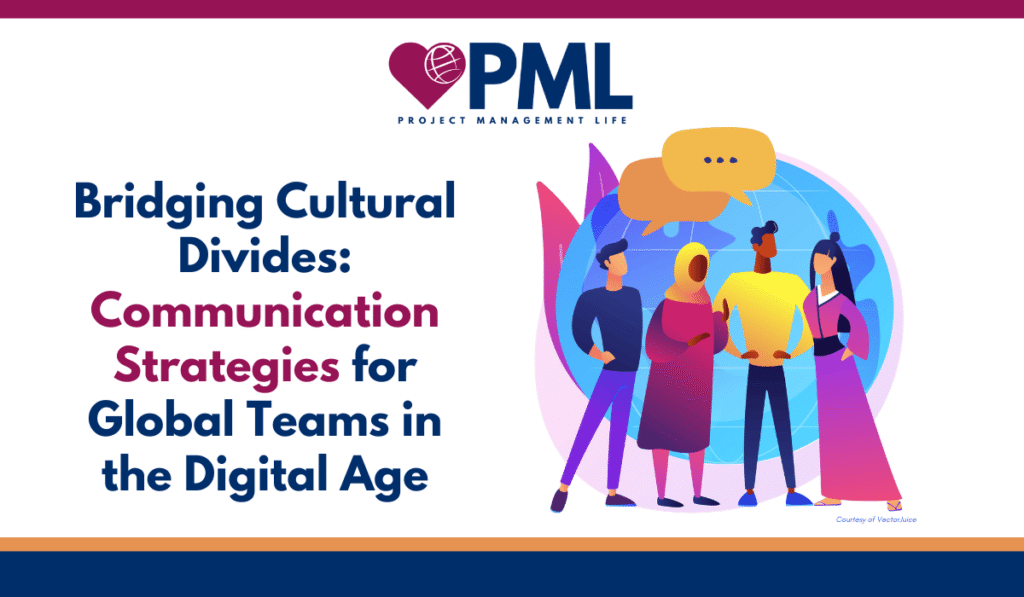

Bridging Cultural Divides: Communication Strategies for Global Teams in the Digital Age
Introduction: The New Reality of Global Collaboration
The modern workplace has undergone a dramatic transformation. Organizations today operate across continents, time zones, and cultures, assembling teams that bring together diverse perspectives, languages, and working styles. While this multicultural composition offers tremendous advantages—enhanced creativity, broader market insights, and varied problem-solving approaches—it also introduces complex communication challenges that can make or break project success.
Recent research examining communication dynamics in multicultural project teams reveals a critical gap between traditional cultural theories and the realities of today’s hybrid, digitally mediated work environments. Drawing data collected across 28 countries and involving 217 professionals, new insights are emerging about how cultural differences, technological tools, and leadership practices intersect to either facilitate or hinder effective collaboration.
The Cultural Foundation: Understanding Deep-Rooted Differences
At the heart of multicultural communication challenges lie fundamental differences in how cultures approach authority, uncertainty, and interpersonal relationships. Classical frameworks continue to provide valuable insights into these dynamics. Cultural dimensions such as power distance, individualism versus collectivism, and tolerance for ambiguity shape everything from how team members give feedback to how they interpret silence in virtual meetings.
Equally important is the distinction between high-context and low-context communication styles. High-context cultures prevalent in many Asian, Middle Eastern, and Latin American countries, rely heavily on implicit messaging, non- verbal cues, and shared understanding. Team members from these backgrounds may view directness as aggressive or socially inappropriate. Conversely, low-context cultures like those in Germany, the United States, and Scandinavia prioritize explicit, straightforward communication and may interpret indirectness as evasive or unprofessional.
These contrasting styles create predictable friction points. A German project manager’s direct critique might be perceived as harsh by a Japanese colleague, while a Brazilian team member’s indirect suggestion might go entirely unnoticed by their Canadian counterparts. Recent findings indicate that 78% of surveyed professionals identified cultural background as significantly impacting team communication, with misunderstandings occurring at notably high frequencies.
The Digital Dimension: New Challenges in Virtual Spaces
The shift to remote and hybrid work has amplified multicultural communication challenges in unexpected ways. When teams collaborated in shared physical spaces, informal conversations, facial expressions, and body language helped bridge cultural gaps. Virtual environments eliminate many of these contextual cues, forcing teams to rely more heavily on written communication and video conferencing—mediums that don’t suit all cultural communication styles equally.
Survey data reveals striking regional preferences. Approximately 76% of respondents from Asian countries preferred verbal, synchronous communication channels, while 65% of North American participants favored written, asynchronous
platforms. This mismatch in preferred communication modes creates operational friction, with 72% of project managers reporting that virtual meetings increase misinterpretations, particularly when working with non-native English speakers.
The challenge extends beyond mere preference. High-context communicators, who depend on tone and situational awareness, find lean digital media like email and messaging apps inadequate for relationship-building and nuanced discussion. Meanwhile, low-context team members may over-rely on documentation, missing subtle implications conveyed by their high-context colleagues.
Bridging Cultural Divides
Communication Strategies for Global Teams
217 Professionals surveyed across 28 countries
78% Identify cultural background as significantly impacting communication
72% Project managers report virtual meetings increase misinterpretations
57% From collectivist cultures rate public criticism as unacceptable
Language: More Than Just Words
Language proficiency represents another critical barrier, though not in the ways many expect. The research reveals that fluency in a shared language—typically English—doesn’t guarantee shared understanding. Teams frequently experience what researchers call “language asymmetry,” where native and non-native speakers interpret messages differently, leading to dominance dynamics and exclusion.
Interview participants emphasized that communication breakdowns rarely stemmed from vocabulary limitations. Instead, they emerged from differing interpretations of tone, misreading of sarcasm or politeness, varied meanings assigned to silence, and literal interpretations of idioms. One participant noted that despite a partner’s perfect English, misunderstandings persisted because “it was about tone, not words.”
Additionally, accent bias and assumptions about competence based on language fluency create invisible hierarchies within teams. Fluent speakers are often assumed to be more competent, even without merit, marginalizing valuable perspectives from those less comfortable in the working language.
The Leadership Imperative: Cultural Intelligence in Action
Effective leadership emerges as perhaps the most critical factor in navigating multicultural communication challenges. Leaders with high cultural intelligence—the ability to function effectively across diverse cultural settings—demonstrate cognitive awareness of cultural assumptions, possess knowledge of various cultural norms, maintain motivation to adapt, and adjust their verbal and non-verbal behaviors accordingly.
Survey findings indicate significant variation in how leaders facilitate communication across cultures. Teams led by culturally intelligent leaders reported higher trust levels, reduced conflict, and better alignment, particularly in virtual settings. These leaders establish inclusive environments marked by active listening, transparent messaging, and cultural empathy.
However, many organizations fall short in developing this critical competency. Interview data revealed that leadership approaches often inadvertently reinforce cultural hierarchies. In high power distance cultures like the Philippines and Nigeria, junior team members avoided offering critical feedback during project reviews, allowing issues to persist unresolved. Conversely, egalitarian cultures encouraged open critique, sometimes creating discomfort for team members from hierarchical backgrounds.
Practical Challenges and Adaptive Strategies
Research participants identified several recurring challenges and adaptive strategies. Trust development proved particularly difficult in asynchronous communication environments. Team members from African and South American cultures stressed the importance of informal, synchronous interaction for building rapport, with one Brazilian analyst noting, “Email alone doesn’t build trust. A quick chat on WhatsApp means more.”
Feedback delivery emerged as especially contentious. Approximately 57% of participants from collectivist societies rated public criticism as unacceptable, compared to just 18% from individualistic cultures. This fundamental difference in acceptable feedback norms requires careful navigation to maintain both performance standards and psychological safety.
Successful teams demonstrated several adaptive practices. They co-created team-specific communication charters that established agreed-upon norms for channel selection, meeting protocols, feedback delivery, and language expectations. These explicit agreements reduced ambiguity and created shared accountability for communication effectiveness.
Technology: Tool or Barrier?
Digital collaboration platforms like Zoom, Slack, and Microsoft Teams have become ubiquitous, yet their effectiveness varies significantly across cultural contexts. While AI-powered translation and transcription tools offer promise for bridging language gaps, they frequently miss cultural nuances and can reinforce semantic errors.
Generational differences also influence technology adoption and communication preferences. Younger professionals demonstrate greater comfort with digital-first, emoji-rich communication but often lack sensitivity to cultural nuances. Older team members express discomfort with reduced non-verbal cues in video meetings and prefer traditional voice calls or email.
Moving Forward: An Integrated Framework
Addressing multicultural communication challenges requires moving beyond treating cultural differences as static obstacles to be managed. Successful teams recognize culture as dynamic and contextual, requiring continuous adaptation rather than one-time training interventions.
Four strategic priorities emerge from the research. First, organizations must institutionalize cultural intelligence development as a core leadership competency. Second, teams should co-create explicit communication protocols that honor diverse preferences while establishing shared expectations. Third, technology should augment rather than replace intercultural competence, with AI tools complemented by human cultural oversight. Finally, organizations should consider appointing cultural mediators who can translate differing norms into shared team practices.
Conclusion: The Path Ahead
Effective multicultural communication requires intentional design, cultural humility, and adaptive leadership. While foundational cultural theories remain relevant, the complexity of today’s hybrid, digital project environments demand updated frameworks that integrate classical insights with contemporary realities.
The research makes clear that communication breakdowns in multicultural teams rarely reflect professional incompetence. Instead, they emerge from cultural blind spots, unconscious biases, and misaligned expectations. By acknowledging these challenges openly and implementing strategic interventions, organizations can transform cultural diversity from a communication liability into a sustainable competitive advantage. The future belongs to teams that can navigate cultural complexity with both theoretical understanding and practical wisdom.

PML would like to extend a huge thank you to Dr. Jude Joseph for sharing his knowledge and wisdom with the PML Community! Learn more about him below and reach out to connect!
About the Author
Dr. Jude Joseph is a distinguished scholar-practitioner with over 15 years of experience in higher education and a deep-seated passion for the evolution of project management. Holding a PhD in Project Management with a minor in Artificial Intelligence, Dr. Joseph’s work sits at the cutting edge of modern management, exploring how emerging technologies and AI agents can optimize complex organizational workflows and academic delivery.
Based in Ontario, Canada, Dr. Joseph is a Chartered Manager (C.Mgr.) through the Canadian Institute of Management. His career is defined by a commitment to bridging the gap between rigorous academic theory and practical, real-world application, empowering both students and professionals to lead with excellence.
Currently, Dr. Joseph is focusing his expertise on two transformative initiatives:
Cornerstone Integrity Solutions Inc.: A training and consultancy firm he founded to champion professional integrity and leadership development.
Specialized Advocacy & Training: Developing comprehensive certificate modules for group home workers in Ontario, ensuring that structured project management principles improve the quality of care and operational efficiency in social services.
New Release: Bridging Faith and Frameworks
Dr. Joseph is the author of the upcoming book, Common-Sense Project Management for Churches, soon to be available on Amazon. This work translates complex management methodologies into accessible, actionable strategies designed specifically for ecclesiastical settings. By blending biblical principles with professional structure, the book serves as a vital resource for church leaders looking to steward their missions with greater clarity and efficiency.
Connect directly with Dr. Jude Joseph through LinkedIn here: https://www.linkedin.com/in/judejoseph/
Interested in becoming a PML Contributor?
Project Management Life (PML) is a volunteer team of 🔥passionate project managers🔥 who believe in the *power of this incredible profession* and we provide our knowledge, guidance, and support to all our project management colleagues within the PML Community.
If you’re interested in:
1️⃣ Growing your personal brand
2️⃣ Sharing your knowledge with your project management colleagues
3️⃣ Supporting the growth of the PML Community and growing our tribal knowledge together
…then we want to hear from you! It’s a win-win-win scenario!
YOU GET FULL CREDIT! We’ll celebrate your contributions, share your socials, etc. so you can grow your personal brand and build up your following as well! Plus you can collect PDUs for your volunteer and content creation hours!
Message us or send us an email at info@projectmanagementlife.org if you’re interested, and let us know! We can’t wait to hear from you!
Who is Project Management Life (PML)?
Project Management Life (PML) is a team of passionate project managers who believe in the power of this incredible profession and provide our knowledge, guidance, and support to our colleagues.
We know that project managers are often the unsung heroes that drive innovation and progress, and bring calm to what might otherwise be chaos. We are the leaders behind the scenes that work tirelessly, and deserve to be celebrated for our incredible efforts in making the world a better place.
We founded PML on the idea that we can inspire each other with stories of success and valuable lessons learned, empower each other with career advice and resources to thrive both personally and professionally, and support each other to achieve a fulfilling work-life balance by focusing on our health and well-being.
By living our best life, we bring our best selves to our projects, our teams, and the world.
We truly believe that project managers change the world.
Join the PML Community
The PML Community is a growing online community of project managers supporting our fellow project managers. Whether you’re a new or experienced project manager, this is a place where we can connect, learn, celebrate, and support one another.
The PML Community Newsletter is free, and jam-packed with exclusive and curated content about project management, career growth and personal branding, health and well-being, personal self-improvement, professional development, work-life balance, and more. If you’re ready to go deeper with PML, we also have our PML Membership if you’re looking for more great content to live your best life. Check out our PML Membership page to learn more.
Join us today, and don’t miss out!
Share this Blog Post:
Standard PML Contributor Disclaimer: The views, thoughts, and opinions expressed in this PML Contributor guest post are solely those of the author and may or may not reflect the views of Project Management Life. We appreciate the many diverse perspectives shared by our contributors as part of our commitment to fostering insightful discussions within the PML Community.
SHOP PML GEAR
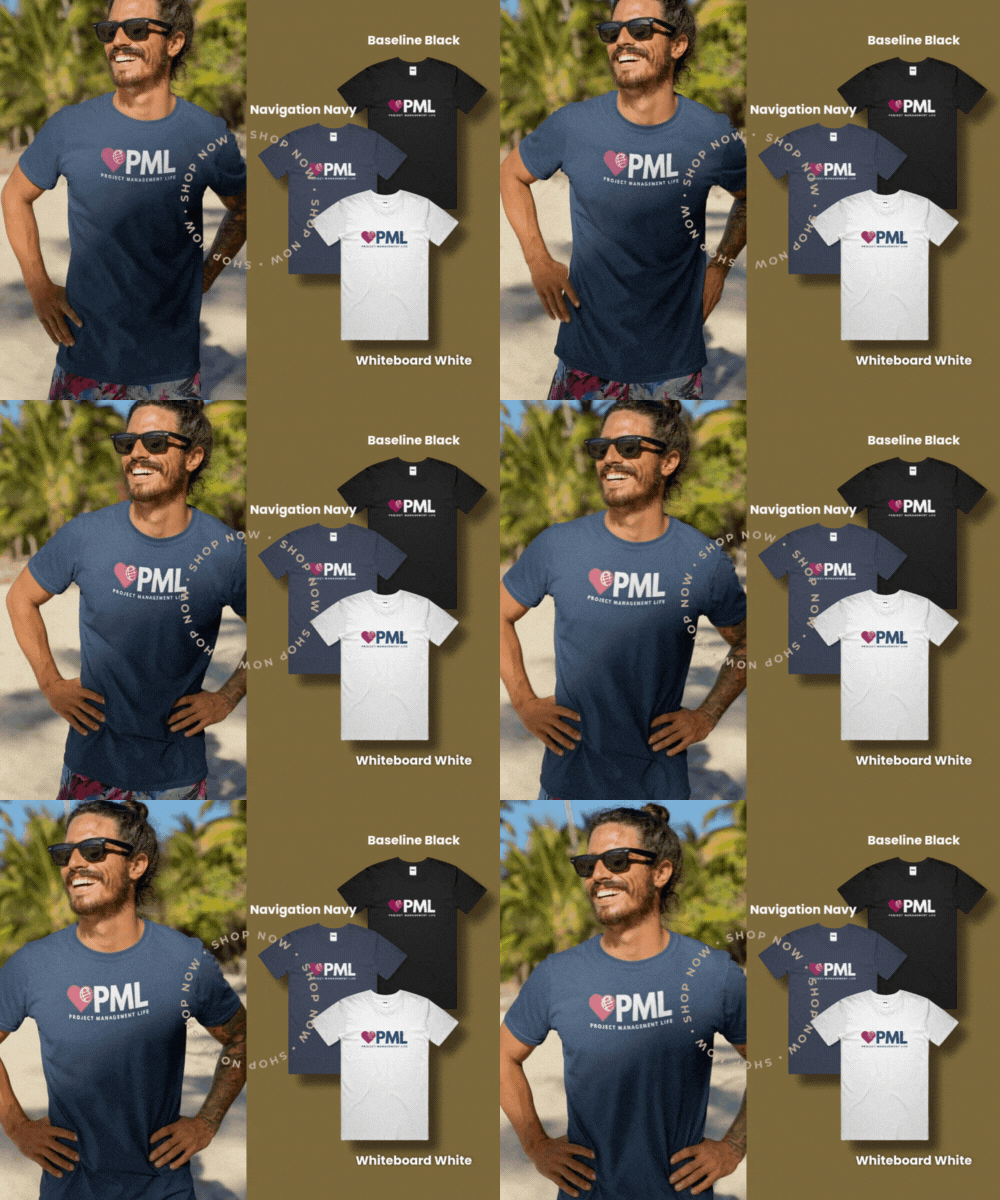
PML Soft Style T-Shirts
Comfort that keeps you on course.
Project managers don’t always get to steer the ship, but they always know where it’s headed. This ultra-soft tee in Navigation Navy, Whiteboard White, and Baseline Black is made for those who keep the chaos organized and deliverables on track – all while looking effortlessly cool.
Whether you’re navigating deadlines or grabbing a coffee between meetings, this tee lets you stay comfortable while charting your course.
Check out some of PML’s other recent blog posts!
- Setting the Year Up for Success: How Project Managers Can Set Personal Goals and Resolutions
- A Thankfulness List for Project Managers
- Celebrating Project Managers: Building the Past, Shaping the Future
- “Great Communicator” is Written on Your Resume – But Does the Hiring Manager Reviewing it Agree?
- Fun Ways to Sneak Exercise into Your Busy Day: Let’s Get Moving, Project Managers!
- The Power of Focus: How Project Managers Get More Done in Less Time and Avoid Burnout
- Leveraging Storytelling: How Your Project Management Resume Can Stand Out and Shine
- Salary Negotiation for Project Managers: How to Not Leave Money on the Table
- Developing a Great Meeting Agenda: A Project Manager’s Essential Tool for Leading Effective Meeting Discussions
- From Chaos to Calm: How Project Managers Can Manage Stress (and Avoid Burnout)
- How to Manage a Project: A Step-by-Step Guide to Leading a Project from Start to Finish
- Smart Snacking: Healthy Snack Options for Busy Project Managers On-the-Move
- Breaking into Project Management: How to Find Your First, Entry-Level Project Manager Role
- The Secrets to a Strong Project Kick-Off Meeting: How to Effectively Launch Your Next Project